

Assisted living amenities are more than attractive extras. The right features can support safety, independence, comfort, health, and meaningful daily routines. For residents and families in Hummelstown, PA, the most useful amenities are those that remain practical during changing mobility needs, winter weather, illness, and everyday transportation challenges.
In Pennsylvania, assisted living residences and personal care homes are licensed under state requirements covering areas such as fire safety, staff training, nutrition, health care, personal care services, and the physical condition of the residence. Amenities should be evaluated alongside the quality of care and the residence’s ability to meet an individual’s needs. ([pa.gov](https://www.pa.gov/agencies/dhs/resources/aging-physical-disabilities/personal-care-homes?utm_source=openai))
Which amenities matter most in assisted living?
The most important amenities are those that make daily life safer and easier without unnecessarily limiting independence. A comfortable lounge or attractive dining room can be helpful, but reliable assistance, accessible design, transportation, and emergency systems usually have a greater effect on day-to-day well-being.
A practical review should begin with these areas:
- Personal assistance with bathing, dressing, toileting, grooming, and mobility
- Medication support and coordination with health care providers
- Nutritious meals, snacks, and accommodations for dietary needs
- Emergency response systems and staff availability
- Accessible apartments, bathrooms, hallways, and common areas
- Transportation for medical appointments, errands, and community activities
- Housekeeping, laundry, and maintenance
- Social, recreational, spiritual, and educational activities
Pennsylvania describes assisted living and personal care services as including help with activities such as eating, walking, bathing, hygiene, medication management, laundry, transportation arrangements, and social participation. The exact services and level of assistance vary by residence and by the resident’s service plan. ([pa.gov](https://www.pa.gov/agencies/dhs/resources/aging-physical-disabilities/personal-care-homes?utm_source=openai))
How should safety and accessibility be evaluated?
Safety amenities should be easy to use, regularly maintained, and available throughout the residence—not only in newer or higher-priced areas.
Look for apartments and common spaces with:
- Grab bars and appropriately placed handrails
- Adequate lighting, including night lighting
- Non-slip flooring and clear walking paths
- Elevators or ramps where needed
- Wide doorways for walkers and wheelchairs
- Accessible showers and toilets
- Emergency call systems that can be reached from the bed and bathroom
- Smoke alarms, fire doors, evacuation plans, and visible emergency exits
Ask how staff respond when a resident presses an emergency button. A system is only useful if someone answers promptly, understands the resident’s needs, and documents the response.
For older buildings, observe whether hallways feel crowded, whether rugs shift underfoot, and whether furniture blocks routes to exits. In a community that experiences cold weather, snow, and icy conditions, indoor walking space and safe access from transportation areas can be especially valuable.
What should families ask about dining and nutrition?
Dining should provide more than regular meals. It should support hydration, changing appetites, medical diets, cultural preferences, and the ability to eat comfortably.
Questions to ask include:
- Are meals served at set times, or are flexible options available?
- Can the kitchen accommodate low-sodium, diabetic-friendly, soft, pureed, or other diets?
- Are snacks and beverages available between meals?
- Can staff assist residents who have difficulty opening containers or using utensils?
- What happens if a resident misses a meal?
- Are residents able to choose where and with whom they eat?
A sample menu may not show the whole picture. Observe whether meals look appealing, whether dining areas are calm enough for residents with hearing or memory challenges, and whether staff notice when someone is eating less than usual.
Is transportation an essential assisted living amenity?
For many households, transportation is essential rather than optional. It can help residents maintain medical care, attend appointments, shop for personal items, visit family, and participate in community life.
Ask about:
- How far transportation is provided
- Whether rides require advance reservations
- The number of scheduled trips each week
- Accessibility for wheelchairs and walkers
- Transportation during bad weather
- Whether a staff member accompanies residents
- Any fees or limits on appointment times
Transportation policies can affect independence as much as the building itself. A residence may offer attractive amenities, but limited transportation could make it difficult for a resident to continue familiar routines.
Which health-related amenities deserve close attention?
Assisted living is not the same as a nursing facility or hospital. Personal care homes are generally not medical facilities and may not be required to employ nurses or physicians on staff. Families should therefore ask specifically how health needs are handled rather than assuming that every service is available on site. ([pa.gov](https://www.pa.gov/agencies/dhs/resources/aging-physical-disabilities/personal-care-homes/personal-care-home-faq?utm_source=openai))
Useful health-related features may include:
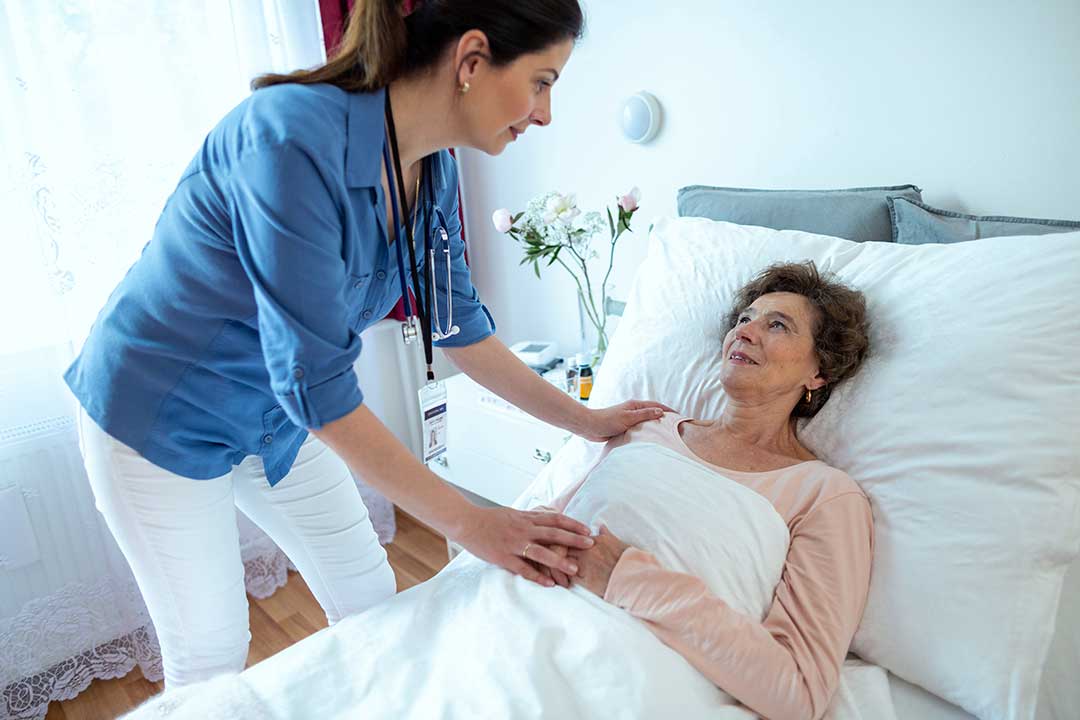
- Medication reminders, assistance, or administration
- A process for communicating with primary care providers
- Access to supplemental home health or therapy services
- Staff trained to recognize changes in condition
- Secure storage for medications
- Support with hearing aids, glasses, dentures, or mobility equipment
- Clear procedures after a fall, illness, or hospital stay
Ask what happens if a resident’s needs increase. A residence should explain which changes can be managed through an updated service plan and which changes may require another level of care.
How do social and recreational amenities affect quality of life?
Activities are most useful when they reflect residents’ interests and abilities instead of filling a calendar for appearance’s sake. Look for a mix of group and individual options, including music, exercise, crafts, games, reading, outdoor time, religious or spiritual activities, and opportunities to help with small community tasks.
A strong activity program should accommodate residents who:
- Have hearing or vision limitations
- Tire easily
- Prefer quiet activities
- Have memory loss
- Do not enjoy large groups
- Want to continue long-standing hobbies
Ask whether residents help choose activities and whether schedules change with the seasons. Outdoor patios, secure gardens, and bright common rooms can be especially helpful, but only if residents can reach them safely and staff provide support when needed.
What apartment features should be checked?
The apartment should fit the resident’s current needs while allowing room for reasonable changes. Important features include adequate storage, a comfortable bathroom layout, adjustable lighting, temperature control, and space for mobility equipment.
Check whether the apartment can accommodate:
- A walker or wheelchair
- A favorite chair or small furnishings
- A television, phone, or other communication device
- Seasonal clothing and personal belongings
- Family visits
- Future safety equipment
Also ask whether residents may use familiar furniture, hang pictures, keep small appliances, or personalize the space. Personal surroundings can support comfort and orientation, particularly for someone experiencing memory changes.
What is commonly overlooked during a tour?
Families often focus on the apartment and overlook the operational details that shape daily life. Ask about staffing patterns during evenings, weekends, holidays, and overnight hours. Find out who handles maintenance problems, how laundry is labeled, and how families are notified about incidents or health changes.
It is also useful to visit at different times of day. A quiet midmorning tour may not reveal dining congestion, evening staffing levels, odors, noise, or how quickly assistance is provided.
Finally, compare promised amenities with written agreements and the resident’s service plan. Ask which features are included, which may carry additional charges, and whether services can change as needs change. Pennsylvania’s licensing system provides public information about licensed personal care homes and assisted living residences, including licensing status and facility details. ([pa.gov](https://www.pa.gov/agencies/dhs/resources/aging-physical-disabilities/personal-care-homes?utm_source=openai))
The strongest choice is rarely the residence with the longest amenity list. It is the setting where essential care, accessible design, reliable transportation, practical safety features, and meaningful daily activities fit the resident’s needs now and remain adaptable over time.
